The Latest News on eduPED project – January 2026
Every year begins with a switch in perspective. The lights of the holiday season fade, but they leave behind an important question: how can energy continue to shape our cities in meaningful and sustainable ways? As we step into 2026, this moment of transition invites us to reimagine how energy is produced, shared, and experienced across our urban spaces.
Against this backdrop, this newsletter serves as both a reflection and a roadmap. It captures where the eduPED project stands today, showcases key achievements across our work packages, and sets out the priorities and actions that will guide the next phase of our work.
The eduPED project supports the transition toward Positive Energy Districts by positioning educational campuses as catalysts for urban transformation. Through innovative urban-morphological approaches across five European living labs, eduPED develops sustainable renovation models and integrates smart energy systems, enabling buildings and campuses to move from energy consumers to active contributors within energy-positive urban districts. As we move into 2026, collaboration, experimentation, and impact continue to guide our shared efforts toward more sustainable and resilient cities.
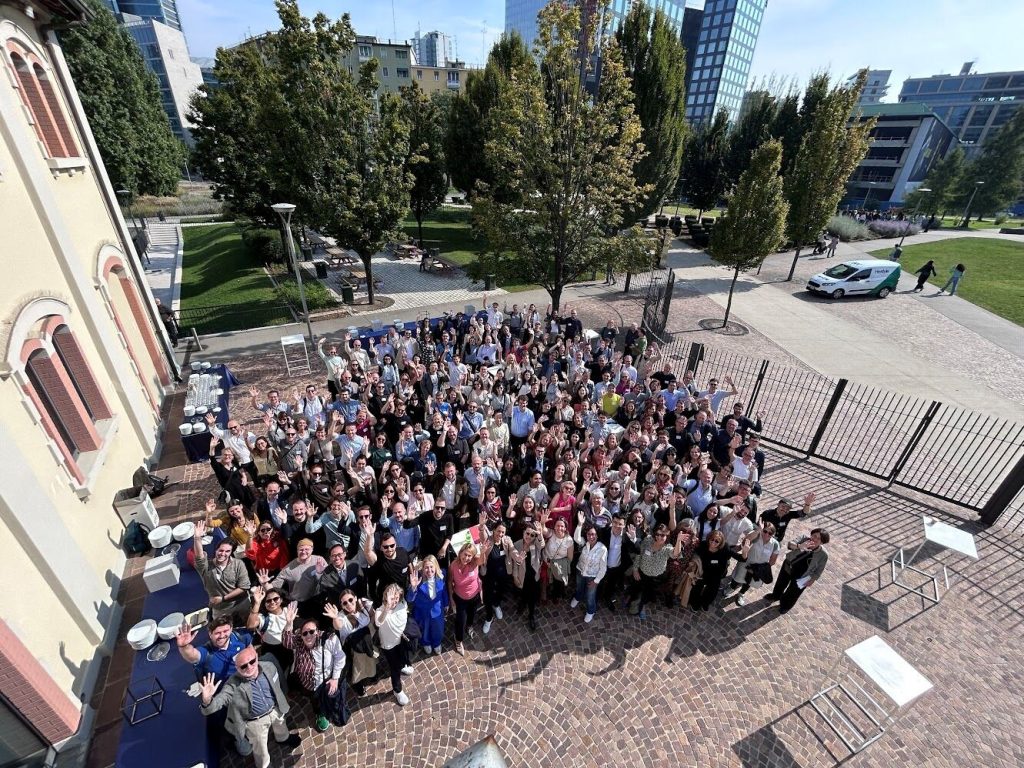
PED morphology for urban campuses being mapped
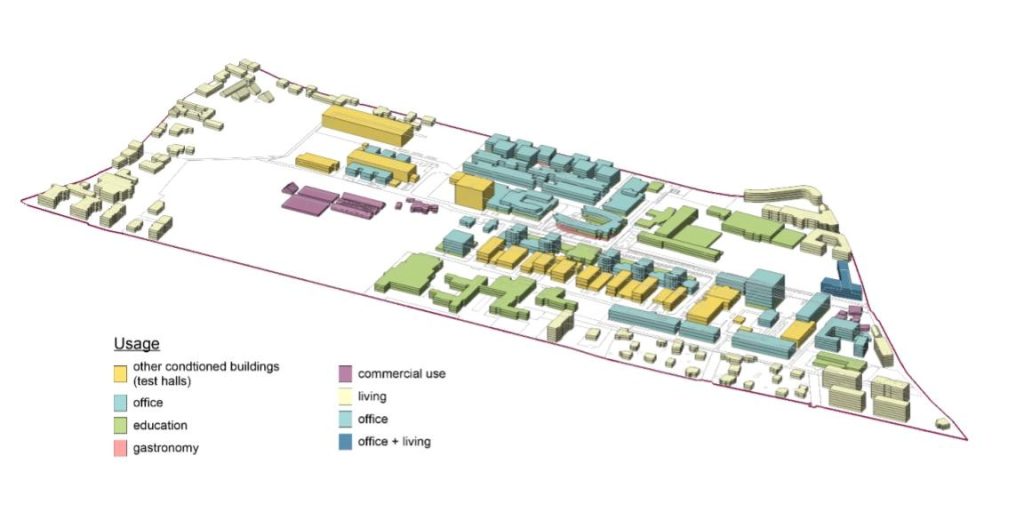
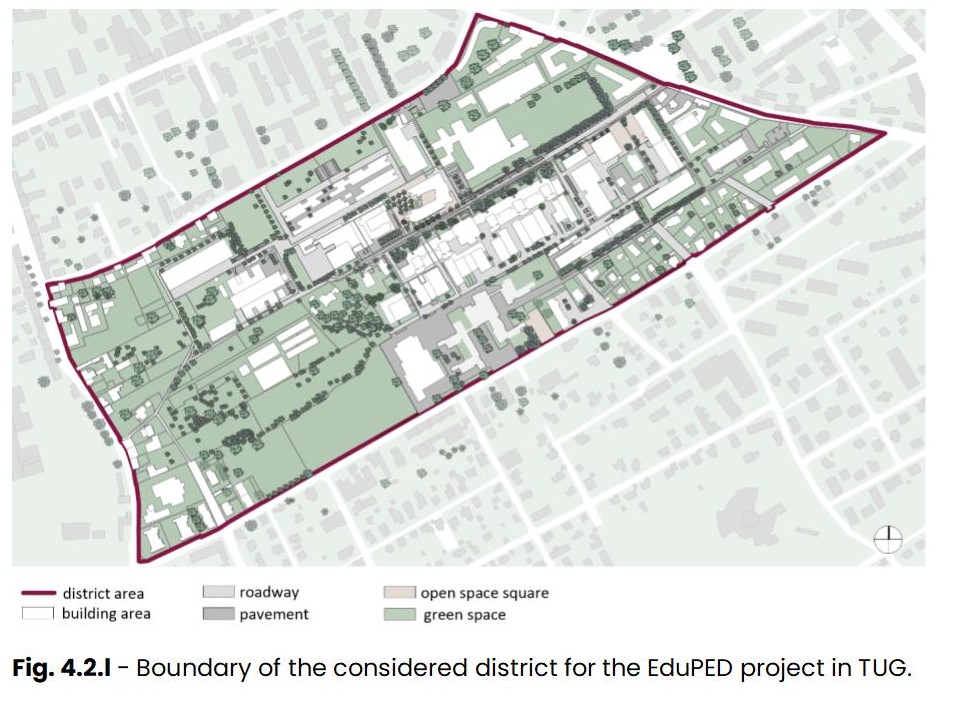
Summary WP2
Stakeholder engagement
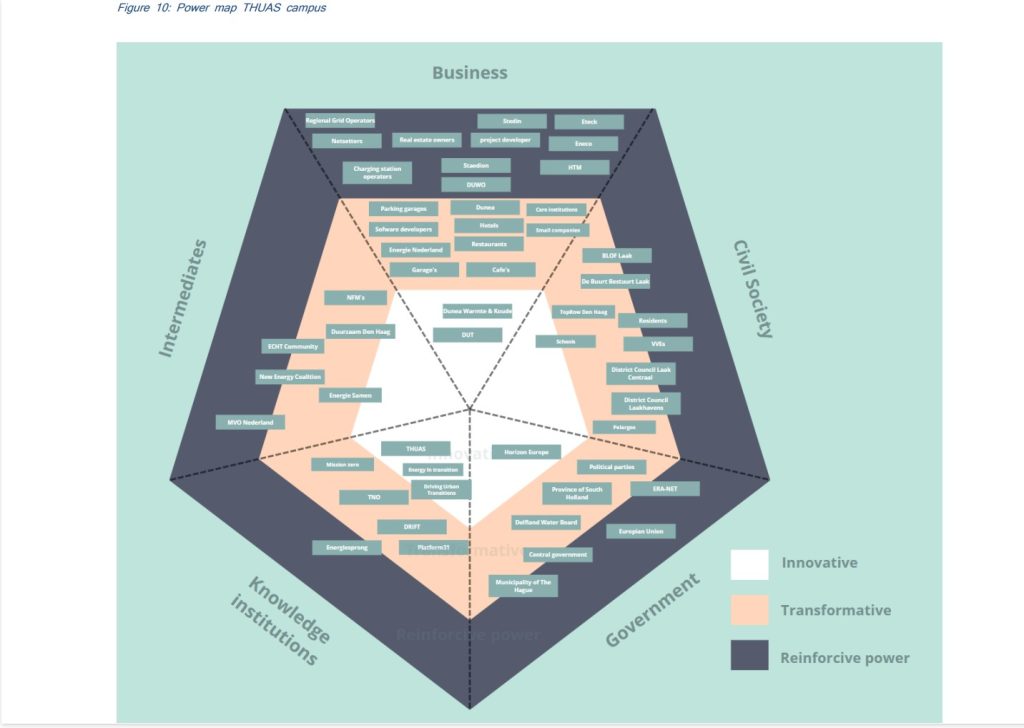
Summary WP3
Energy refurbishment
Summary WP4
Climate modeling for PEDs
Summary WP5
RES production and smart flexibility solutions
Summary WP6
Project coordination, knowledge dissemination and contribution to DUT Knowledge Hub
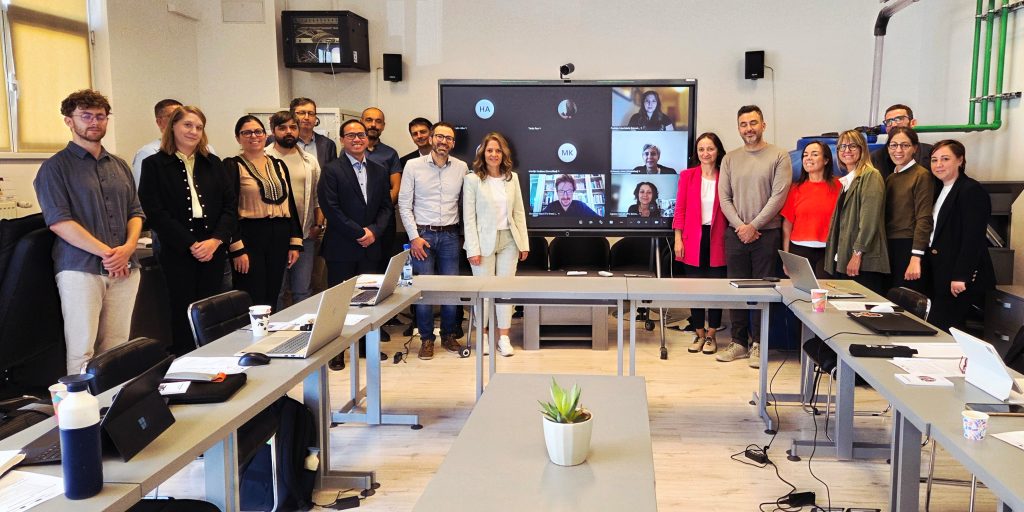
Summary WP 1,7,8